Building a Nautical Keychain Assortment for a Gift Shop
Plan a nautical keychain range around familiar motifs, carry scale, attachment details and clear retail presentation.
Choose brass keychains by motif, size, carry comfort, finish and assortment role for gift retail or wholesale planning.
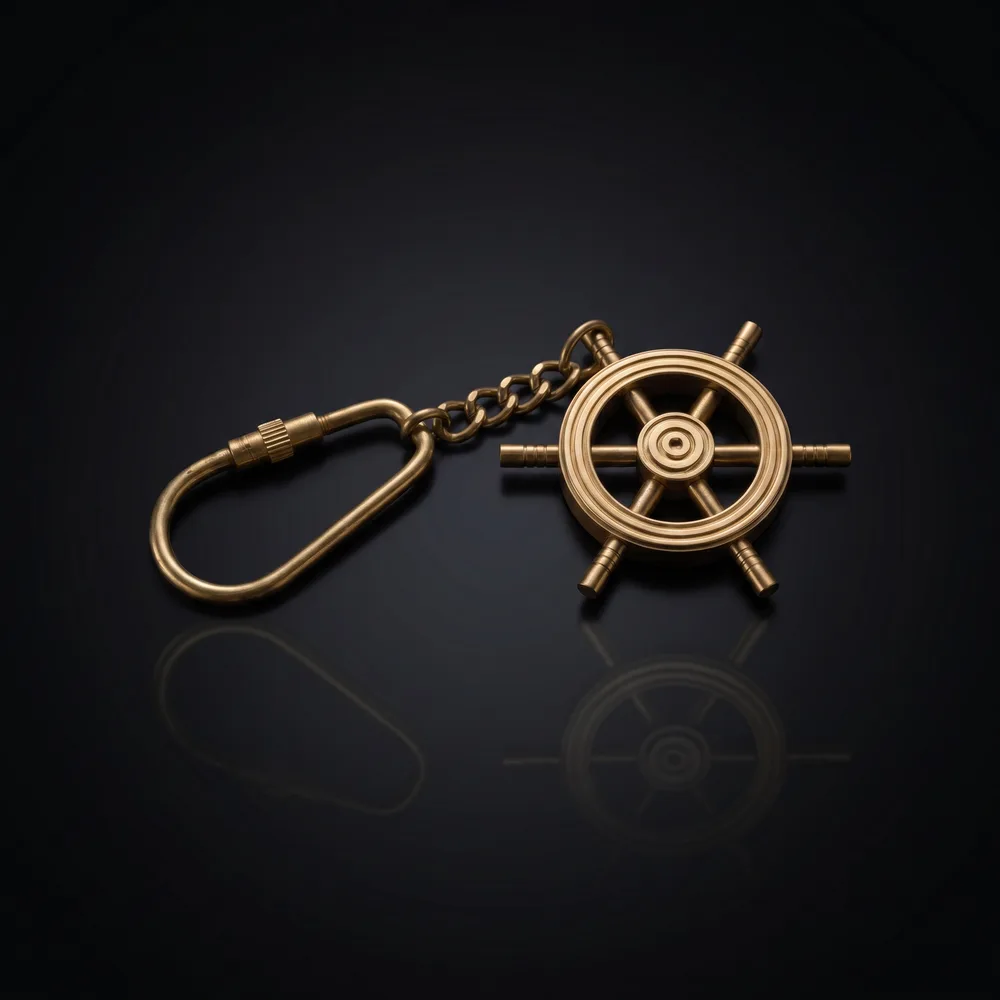
A keychain is a small object that has to work in two contexts: it should be easy enough to carry, and distinctive enough to earn a place on a key ring or bag. For a retailer, a strong assortment offers a clear theme and a useful range of sizes without treating every brass charm as interchangeable. Begin with the recipient and setting, then compare motif, weight, attachment and how the piece will be presented.
Antiqula’s nautical selection includes a brass ship-wheel keychain listed at about 5 cm (fobx-5-1), an antique-finish anchor keyring listed at about 6 cm (fobx-6-6), and a vintage brass telescope-and-anchor keychain listed at about 7 cm (fobx-7-2). The catalogue’s measurements and names let buyers compare a compact wheel, a recognisable anchor and a larger combined motif. Because these dimensions are estimated, present them as approximate rather than exact.
Ask whether the item will be attached to keys, a bag zip or a gift set. A charm that looks delicate on a product card may feel bulky when several keys are grouped together. Buyers who prefer minimal carry may favour a smaller, simpler motif; collectors or gift recipients may welcome a more detailed piece. The actual ring, chain, clasp and attachment point matter as much as the charm itself.
Check the total length including the ring and connecting chain, not only the stated charm dimension. Move the keychain gently and see whether it swings into a phone, watch or other carried item. Inspect joints and small moving components on a sample. Avoid claims about durability or suitability for heavy-duty keys unless the manufacturer provides evidence for that use. A decorative brass keychain is a small accessory, not safety equipment.
Nautical themes offer immediately recognisable forms: ship’s wheels, anchors, telescopes, compasses, lifebuoys and portholes. A retailer can group motifs by meaning or visual style. The ship wheel suggests steering and maritime imagery; an anchor is familiar and easy to spot; the telescope-and-anchor combination has greater visual complexity. Explain these as design motifs rather than claims that a miniature charm performs as a navigational or optical instrument.
An assortment can include both single motifs and small sets. Antiqula lists a brass compass, magnifier and hourglass keychain set (fobx-5-10) as three items; where such sets are used, confirm the number of pieces and each individual dimension. A set can create an attractive gift presentation, but it may be a different purchase decision from choosing one everyday key fob. Keep set contents explicit so customers know what is included.
| Selection attribute | What to check | Retail consequence |
|---|---|---|
| Charm length | Whether measurement is exact or estimated | Sets expectations for pocket and bag carry |
| Outline | Compact single motif or combined design | Affects visibility and perceived bulk |
| Finish | Antique, polished, chrome or another listed surface | Determines how it sits beside other accessories |
| Attachment | Ring, chain, clasp and moving links | Affects use and inspection at point of sale |
The approximately 5 cm ship-wheel example and approximately 6 cm anchor are close in scale, while the approximately 7 cm telescope-and-anchor has a longer combined outline. That comparison can support a tiered merchandising story, but size alone does not establish weight or carry comfort. Hold the physical sample with a typical set of keys and assess how it moves. If a customer wants a compact item, let the actual dimensions guide the choice rather than calling a model “pocket-sized” without a defined basis.
Finish labels should be repeated precisely. Antique brass, polished brass and chrome-finish brass create different visual effects and may need different care. Do not claim the colour will develop a particular patina or remain unchanged through daily handling unless product documentation supports it. Check the attachment hardware for burrs or sharp edges and confirm whether the key ring is supplied.
Small products can disappear when placed flat in a crowded display. Use a shallow tray, card or hanging board that shows the silhouette while keeping each item accessible. Group by theme, then provide a simple label with motif, material and approximate size. Keep gift sets together in their original presentation and distinguish them from individual pieces displayed nearby.
For online retail, use a close view and a scale reference, with the dimensions written in the description. Do not use a giant prop or forced perspective that makes a 5 cm charm appear much larger. If the product photograph shows a key ring, bag or styling accessory not included, say so. Wholesale buyers may benefit from a mixed assortment, but the mix should reflect the shop’s audience and display space rather than a generic promise of popularity.
A concise listing might say “antique-finish brass anchor keyring, approximately 6 cm.” It states the motif, material, finish and measurement status. If a compass, whistle, sand timer or calendar feature is listed, describe the exact feature without broadening it into a claim of navigation, emergency use or precision timekeeping. For example, a record that names a decorative mini hourglass does not establish its timing accuracy.
This care in language is especially important for miniature instrument motifs. A telescope-shaped charm is not necessarily an operational telescope; a compass ornament is not automatically reliable navigation equipment. If a product’s listing explicitly identifies a mechanism as functional and a buyer needs to rely on it, request model-specific performance details. Otherwise, sell the design as an ornamental accessory.
Before ordering, record the exact references, whether measurements are estimated, unit count, packaging and current commercial terms. Inspect a sample for connection strength, finish consistency and sharp edges. For a gift programme, confirm the packaging and any logo or personalization options directly for the selected model; do not assume they are available because a related product has them. Keep the agreed item reference with the order documents.
Brass can show fingerprints and surface change. The Canadian Conservation Institute explains that polishing is abrasive and repeated polishing can remove surface metal and detail. For a contemporary keychain, follow model-specific instructions, wipe gently and avoid harsh cleaners that could affect a finish or attached component. The best assortment balances a clear motif, carryable scale and honest description. It gives a gift-shop customer an easy choice while leaving room for each product’s actual materials and limits to speak for themselves.
Catalogue reference: FobX 5.1. Listed material: Brass.
Check the current product page and ask for model-specific dimensions, packaging and suitability before ordering.
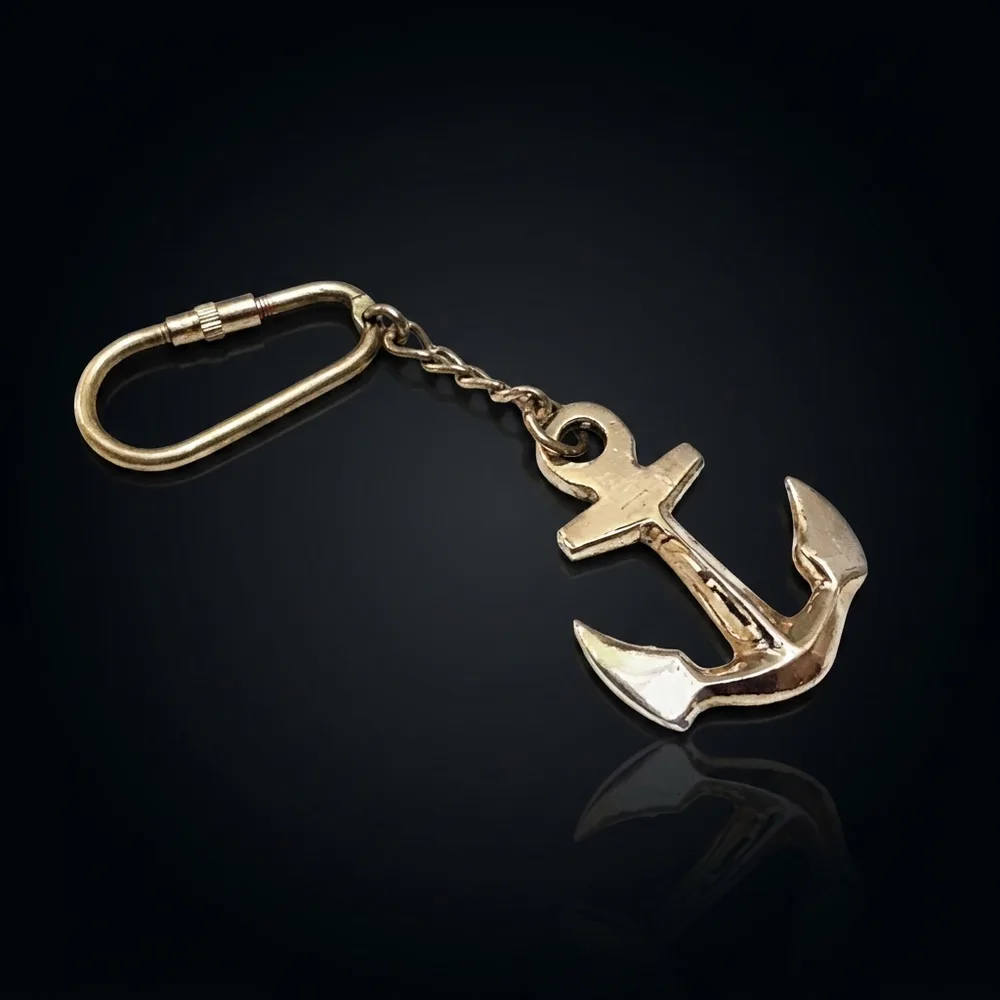
Catalogue reference: FobX 6.6. Listed material: Brass.
Check the current product page and ask for model-specific dimensions, packaging and suitability before ordering.
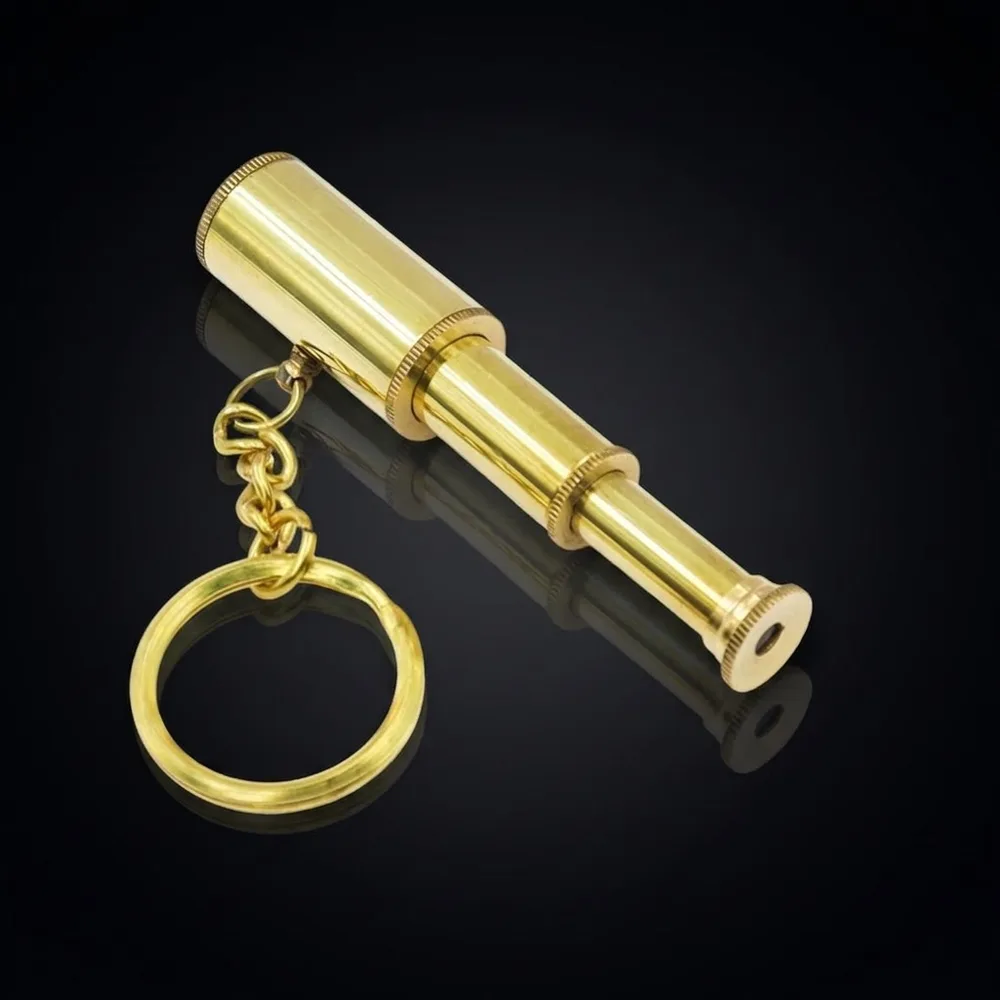
Catalogue reference: FobX 7.2. Listed material: Brass.
Check the current product page and ask for model-specific dimensions, packaging and suitability before ordering.
Explore Antiqula’s keychains catalogue
Catalogue examples were checked against Antiqula’s product records on 2026-10-02. Research sources provide context; they do not certify the performance of individual catalogue products.