Keychains: Selection, Uses and Display Guide
Choose brass keychains by motif, size, carry comfort, finish and assortment role for gift retail or wholesale planning.
Plan a nautical keychain range around familiar motifs, carry scale, attachment details and clear retail presentation.
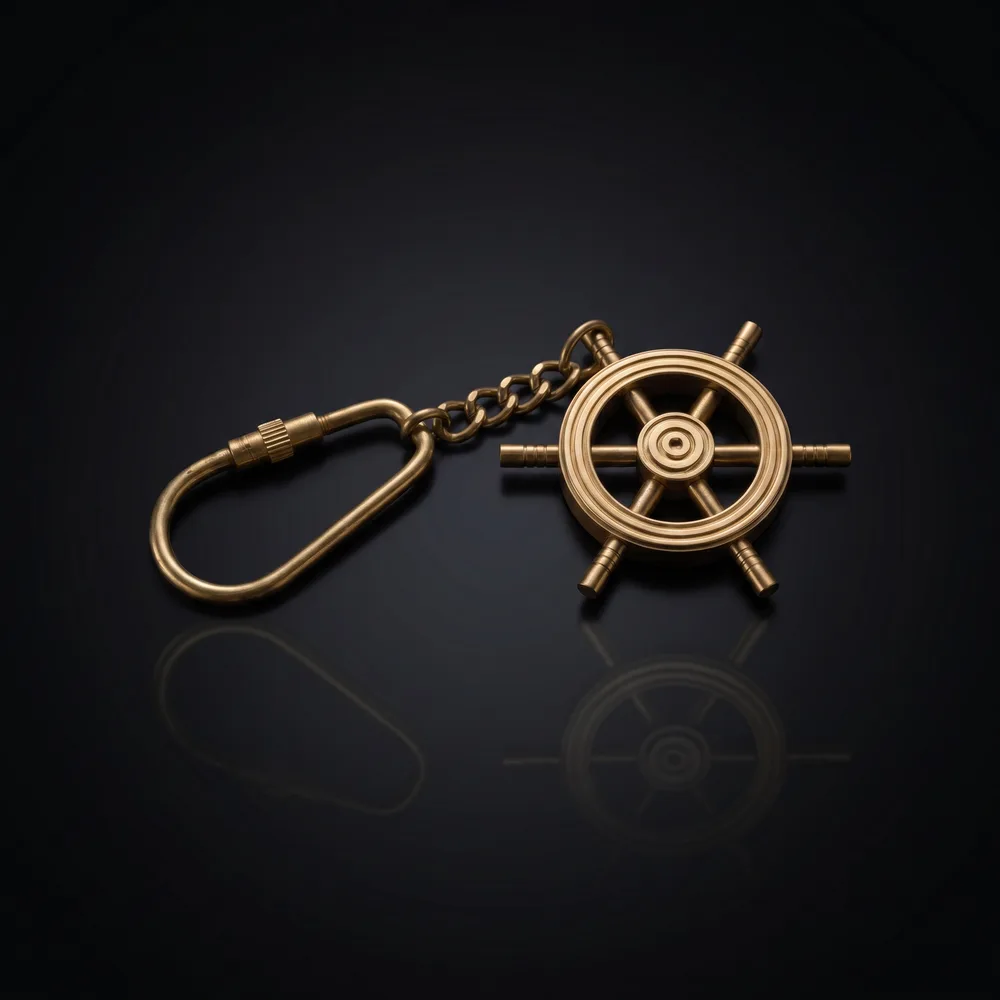
A nautical keychain assortment works best when shoppers can understand the choices at a glance. Give the range a few distinct motifs and sizes: a compact ship’s wheel, a familiar anchor and a larger combined design can each speak to a different preference. Then make the scale, attachment and finish visible so a customer knows what will be carried every day.
Antiqula’s catalogue offers practical examples: the brass ship-wheel keychain is listed at about 5 cm (fobx-5-1); the antique-finish anchor keyring is approximately 6 cm (fobx-6-6); and the vintage brass telescope-and-anchor keychain is listed at about 7 cm (fobx-7-2). Those sizes are product-specific and should retain “about” or “approximately” because the catalogue marks all three as estimates. The nautical shapes are decorative motifs, not proof of navigation or optical capability.
Start by deciding whether the assortment should be classic, instrument-inspired or playful. A ship wheel and anchor are easy entry points. A telescope-and-anchor combination adds detail and length. Compass, porthole and lifebuoy shapes can extend the theme if they match the shop’s audience. Too many similar anchors can make a tray look repetitive, while a single unusual object may be hard to merchandise without context.
Consider how the shop’s wider products relate to the keychains. A maritime museum store might pair them with books or map-themed stationery; a coastal gift shop may place them near travel accessories. Treat these as merchandising choices based on the shop’s own customer patterns, not guaranteed sales outcomes. Begin with a mix that fits the display and review which motifs shoppers pick up or ask about.
The approximately 5 cm wheel, approximately 6 cm anchor and approximately 7 cm combined telescope-and-anchor create a natural size progression. But overall carry comfort also depends on thickness, weight, ring and chain. Ask for the total length and material details where they are not stated. Hold each sample with keys attached and see whether it swings broadly, catches on fabric or feels bulky in a pocket.
An assortment can include a small option for minimal carry and a more ornate item for a bag or collector’s ring. Avoid describing any item as “lightweight” unless its weight is provided and checked. For product cards, state approximate measurements clearly and photograph each piece beside a common object without making the comparison misleading.
Small accessories benefit from visibility. Arrange pieces on a low tray or hanging board that presents each outline without crowding. Separate single pieces from multipiece sets and keep any supplied boxes with the correct reference. Label motif and finish in plain language. A shopper should be able to tell the difference between a polished surface and an antique finish from the label or a close view.
If the keychains have moving sections, let the customer inspect them without tugging at delicate joins. Put a sample at the front and keep remaining units in protective packaging where supplied. A clear price or product code can make replenishment easier for shop staff. If a display includes decorative ropes, maps or shells, make it clear those props are not included.
Nautical designs often resemble actual instruments. A compass motif may be ornamental, a telescope charm may simply be shaped like a telescope, and a miniature hourglass is not necessarily a calibrated timer. Use the exact product record. If it states a mechanism is functional and customers need to depend on it, request current specifications for that exact model. Otherwise, describe the design and material without implying it is safety or navigation equipment.
Likewise, a brass whistle form should not be marketed for emergency signaling unless its sound, use and safety have been verified. The value of a decorative keychain is often its recognizable shape and tactile quality; it does not need an invented utility claim. Clear boundaries make the gift feel considered and help prevent disappointment after purchase.
Prepare a short comparison with each reference, the stated material, finish, approximate dimensions and package details. Confirm current unit quantities, packing method and delivery terms with Antiqula for the selected assortment. If a buyer wants branded cards, engraving or another customization, ask what is available for the exact item instead of assuming a general option applies across the range. Keep the final approved sample associated with the order reference.
Brass needs gentle handling. The Canadian Conservation Institute cautions that polishing is abrasive and repeated polishing removes surface metal, which can soften details over time. Follow the supplier’s care guidance and avoid harsh cleaners or improvised coatings. Wipe a sample softly, inspect the ring and connectors and return it to its display. A carefully planned nautical range offers variety without relying on inflated claims: shoppers can choose the motif, scale and finish that suit their own keys or gifting needs.
Catalogue reference: FobX 5.1. Listed material: Brass.
Check the current product page and ask for model-specific dimensions, packaging and suitability before ordering.
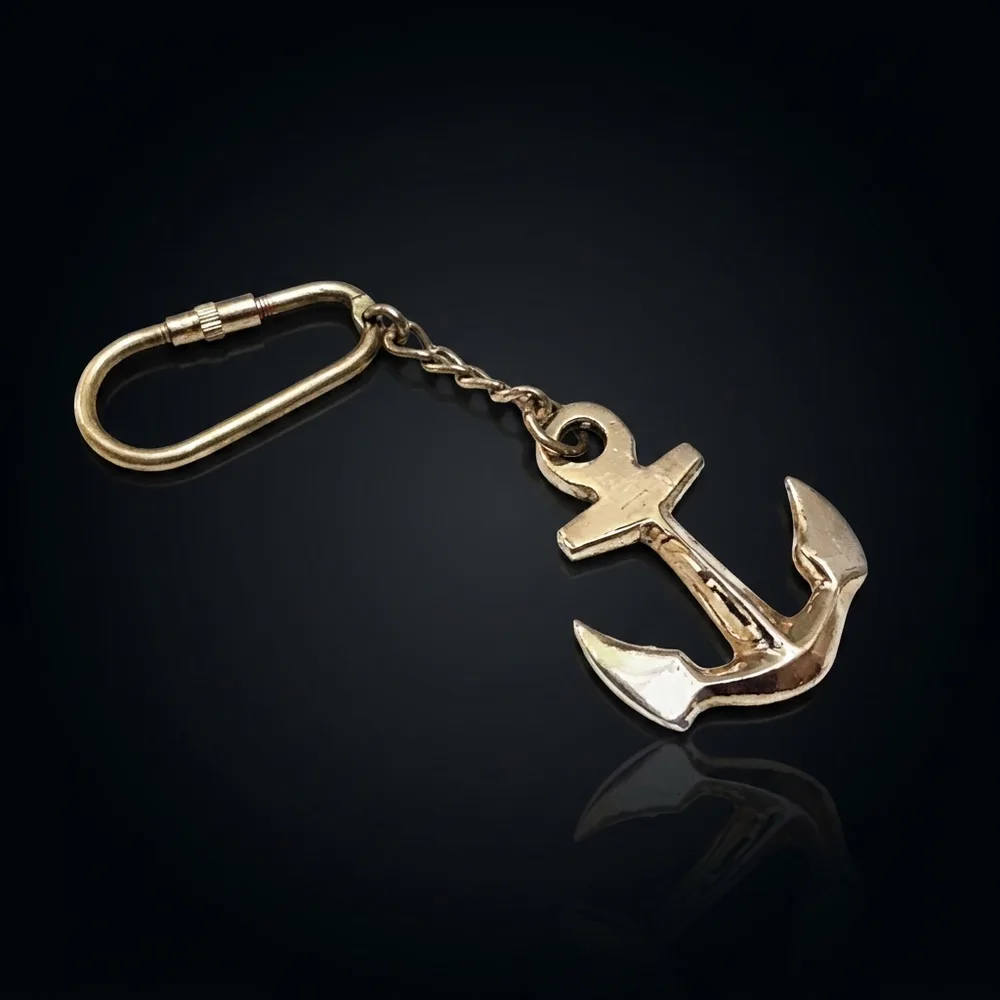
Catalogue reference: FobX 6.6. Listed material: Brass.
Check the current product page and ask for model-specific dimensions, packaging and suitability before ordering.
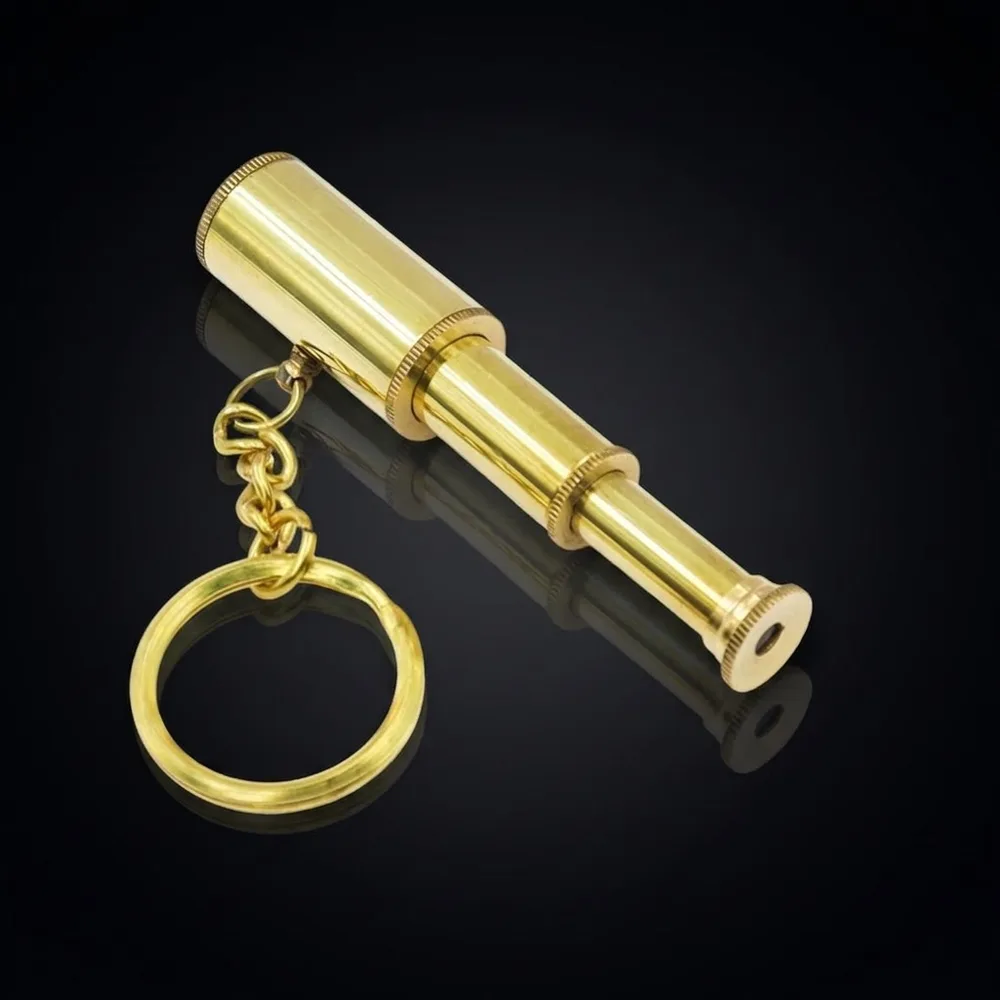
Catalogue reference: FobX 7.2. Listed material: Brass.
Check the current product page and ask for model-specific dimensions, packaging and suitability before ordering.
Explore Antiqula’s keychains catalogue
Catalogue examples were checked against Antiqula’s product records on 2026-10-02. Research sources provide context; they do not certify the performance of individual catalogue products.