Telephones: Selection, Uses and Display Guide
Compare vintage-style telephone forms by silhouette, placement, scale and display needs for homes, hospitality and retail.
Compare three vintage telephone silhouettes by placement, footprint, installation planning and the questions to verify before purchase.
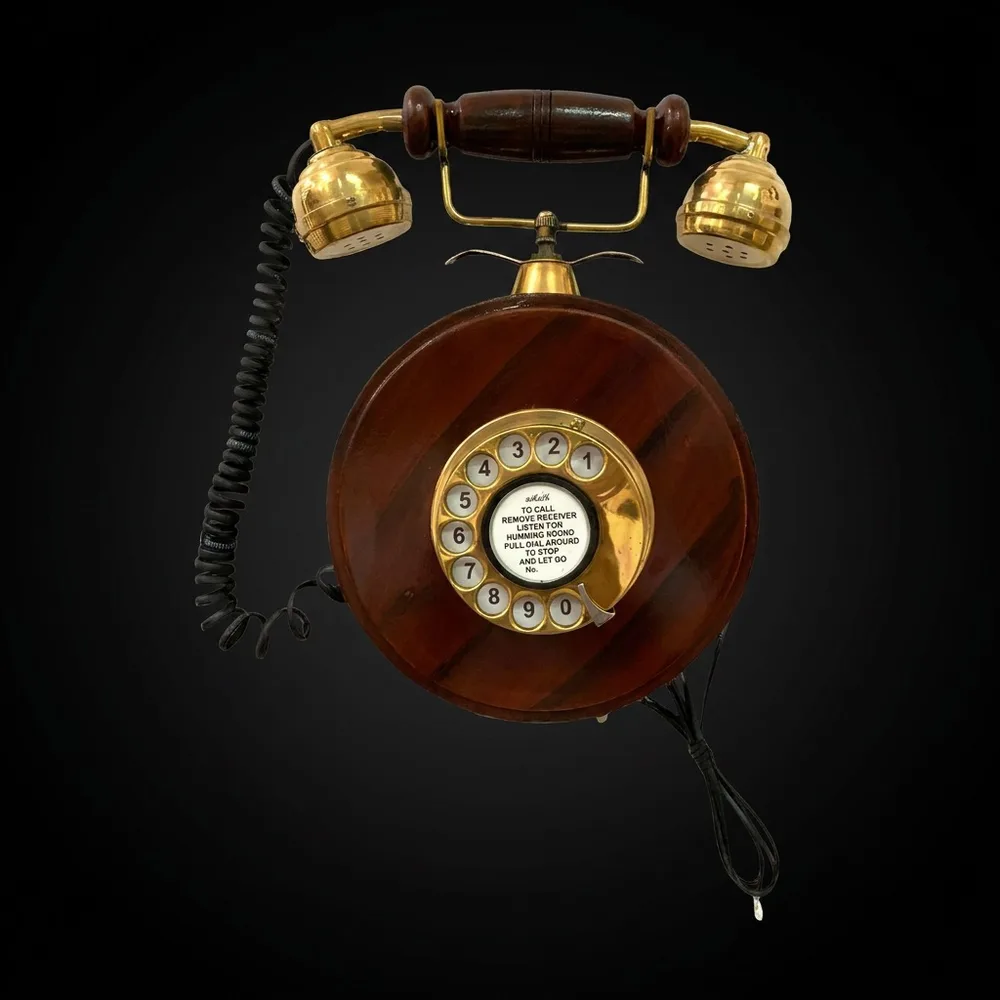
Candlestick, wall-mount and tabletop telephones create different visual effects and fit different spaces. A candlestick shape rises from a desk; a wall phone occupies vertical space; a tabletop rotary model stays low and compact. The best choice follows the room layout and the intended experience. Treat Antiqula’s vintage-style models as display pieces unless documentation for the exact reference confirms operation; a vintage appearance does not establish current line compatibility.
Three catalogue examples clarify the decision: an 11-inch wooden wall-mount telephone with brass accents (ringx-11-0-1), a 14-inch brass candlestick rotary model (ringx-14-0-2), and an 8-inch nautical French Victorian tabletop phone (ringx-50-12). These named records provide documented silhouettes and heights. They do not establish modern telecom compatibility or the inclusion of mounting hardware.
The candlestick form is visually tall and narrow, often with a separate receiver and an upright body. It can stand out on a console or executive-style desk while leaving some surface area open around its base. The Smithsonian’s historic collection includes candlestick desk telephones, placing this form within a broader design history. For a contemporary replica, use the form as a visual reference and avoid implying that it is an original historical instrument.
Measure above and around the object. A 14-inch telephone may fit on a desk but compete with a shelf or artwork above it. Check the base footprint and where the handset rests. If the model will be handled, make sure a receiver can be lifted and replaced without knocking adjacent objects over. If it is a static display, position it so the silhouette is visible from the approach to the room.
A wall-mounted telephone can make a hallway or hospitality corridor feel distinctive without taking desk space. The Antiqula example is listed at 11 inches and in wood and brass, but its first product photo does not show how it attaches. Ask for the attachment method, mounting dimensions and included hardware before planning a permanent installation. A wall photograph does not show the structure behind the surface, and drilling locations should be selected for the actual wall and load.
Check the mounting height against the people expected to see or handle it. Consider nearby door frames, light switches, artwork and traffic. A purely decorative replica may be best installed at a height chosen for viewing; a unit intended to be operated would need a different assessment and verified functional documentation. Until that is established, describe this item as decor rather than a replacement telephone.
A rotary desk phone keeps its visual weight low and can be moved between a side table, a desk or a retail shelf. The nautical example has an 8-inch listed height and a brass construction. Its theme can support a coastal or maritime display, while its compact profile may suit a smaller surface. Confirm base width and depth because height alone cannot show whether it will fit.
For a retail counter, show the dial and handset clearly but leave enough room for customers to inspect it. For a home study, arrange the phone beside a book or lamp without blocking normal desk work. If the phone has a cord, check its routing and whether it is attached or decorative. Do not imply a connection or call function from the presence of a handset and dial.
| Form | Space used | Before choosing |
|---|---|---|
| Candlestick | Desk or plinth, plus vertical clearance | Measure height and handset clearance |
| Wall-mount | Wall surface and a small approach zone | Confirm mounting instructions and hardware |
| Tabletop rotary | Desk or shelf depth | Check base dimensions and handset placement |
The room may point to an obvious candidate. A narrow console with no open wall may suit a compact desk model; a corridor with a suitable installation surface may make a wall form appealing; a display plinth can give a candlestick shape the headroom it needs. Make a paper template of the approximate footprint or use masking tape to preview the location. This simple step can prevent a style-led purchase from becoming awkward in daily use.
The Smithsonian collection can help shoppers understand historical forms, but an institutional example does not validate a contemporary model’s operation. Ask for current, exact-model documentation before describing a product as wired, compatible with a telephone line, able to dial or suitable for a particular country. If buyers need working communications equipment, direct them to products with verified technical specifications.
For wholesale buyers, compare the sample with the catalogue, record actual dimensions and confirm the package contents. Request the current order and delivery terms for each selected reference. Position the item safely, dust it according to supplier guidance and keep finish care conservative. The choice among these three vintage forms becomes manageable when silhouette, space and verified function are treated as separate questions.
Catalogue reference: PostX 11.0.0. Listed material: Wood & Brass.
Check the current product page and ask for model-specific dimensions, packaging and suitability before ordering.
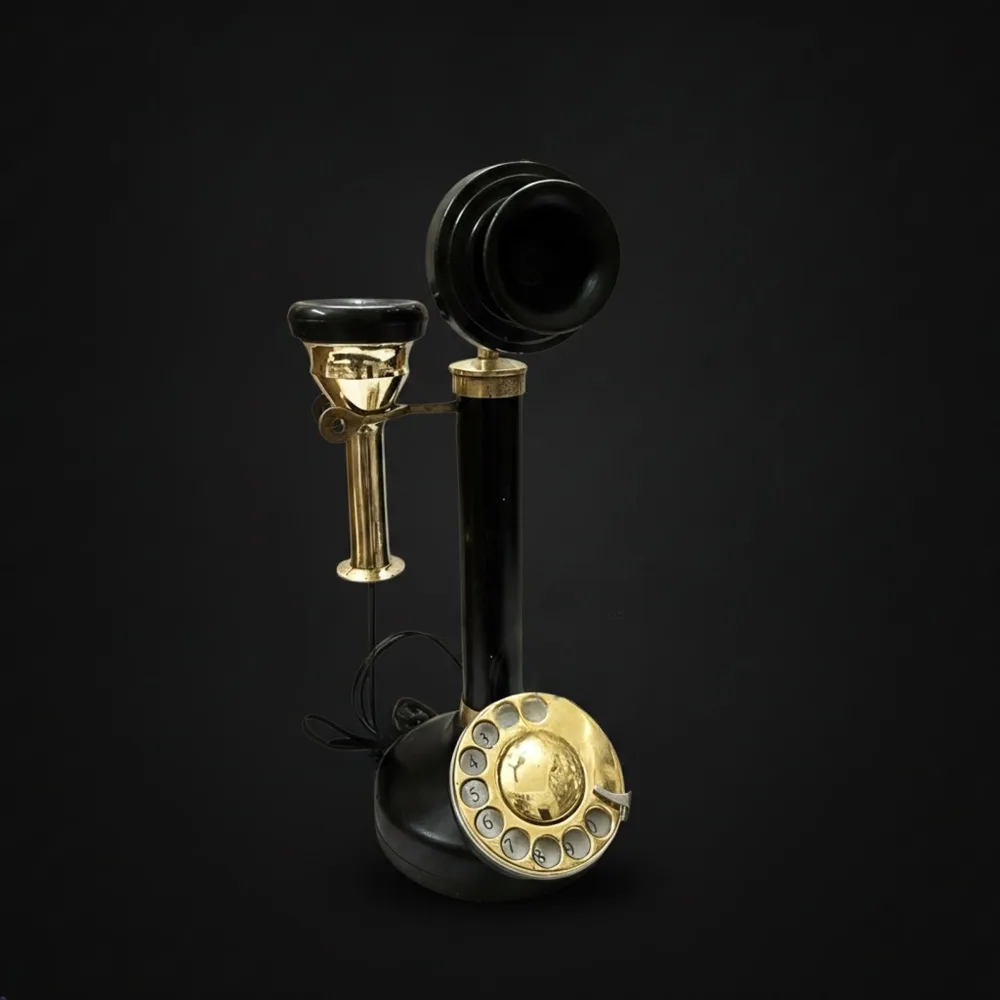
Catalogue reference: BellX 14.0.1. Listed material: Brass.
Check the current product page and ask for model-specific dimensions, packaging and suitability before ordering.
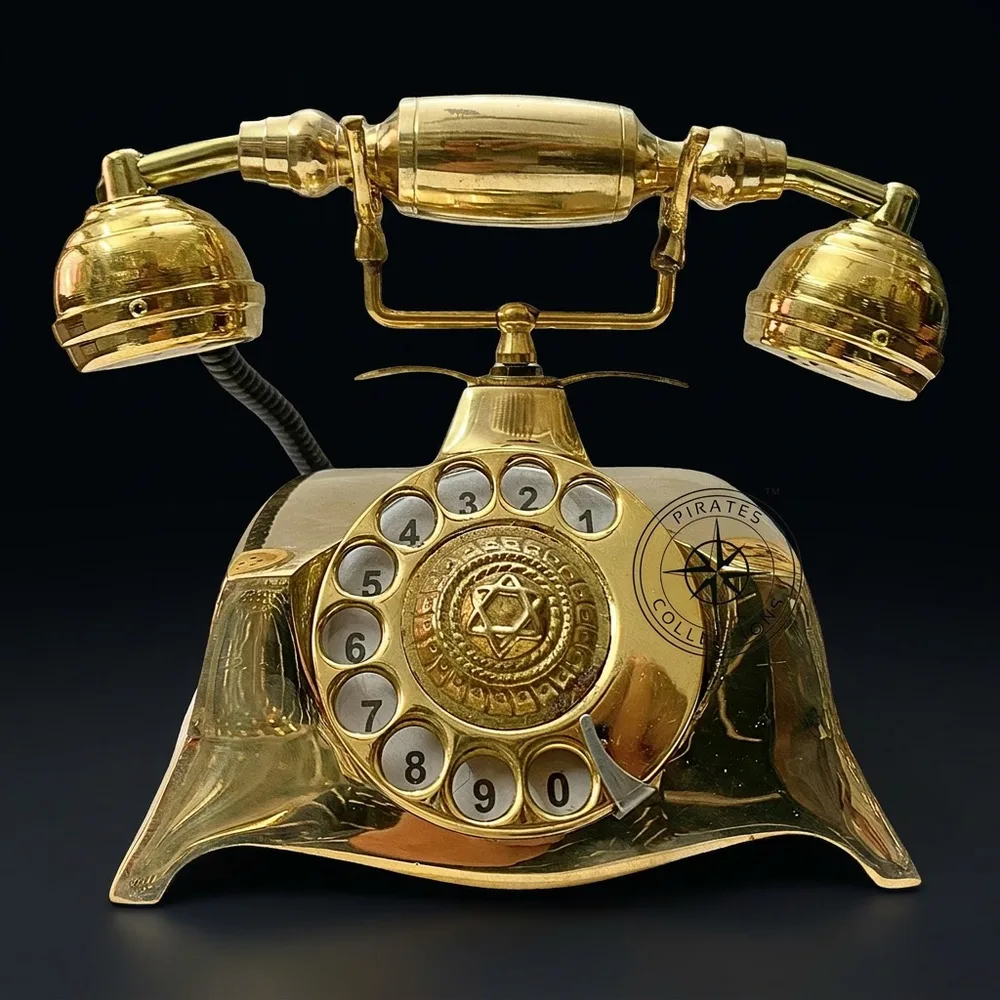
Catalogue reference: RingX 8.0.0. Listed material: Brass.
Check the current product page and ask for model-specific dimensions, packaging and suitability before ordering.
Explore Antiqula’s telephones catalogue
Catalogue examples were checked against Antiqula’s product records on 2026-10-02. Research sources provide context; they do not certify the performance of individual catalogue products.