Pendant, Handheld or Table Magnifier: Which Format Fits the Task?
Choose a magnifier format by portability, grip, viewing position and display footprint, with examples from Antiqula’s catalogue.
Compare pendant, handheld and table magnifiers by working distance, handling, scale and presentation for retail or gifting.
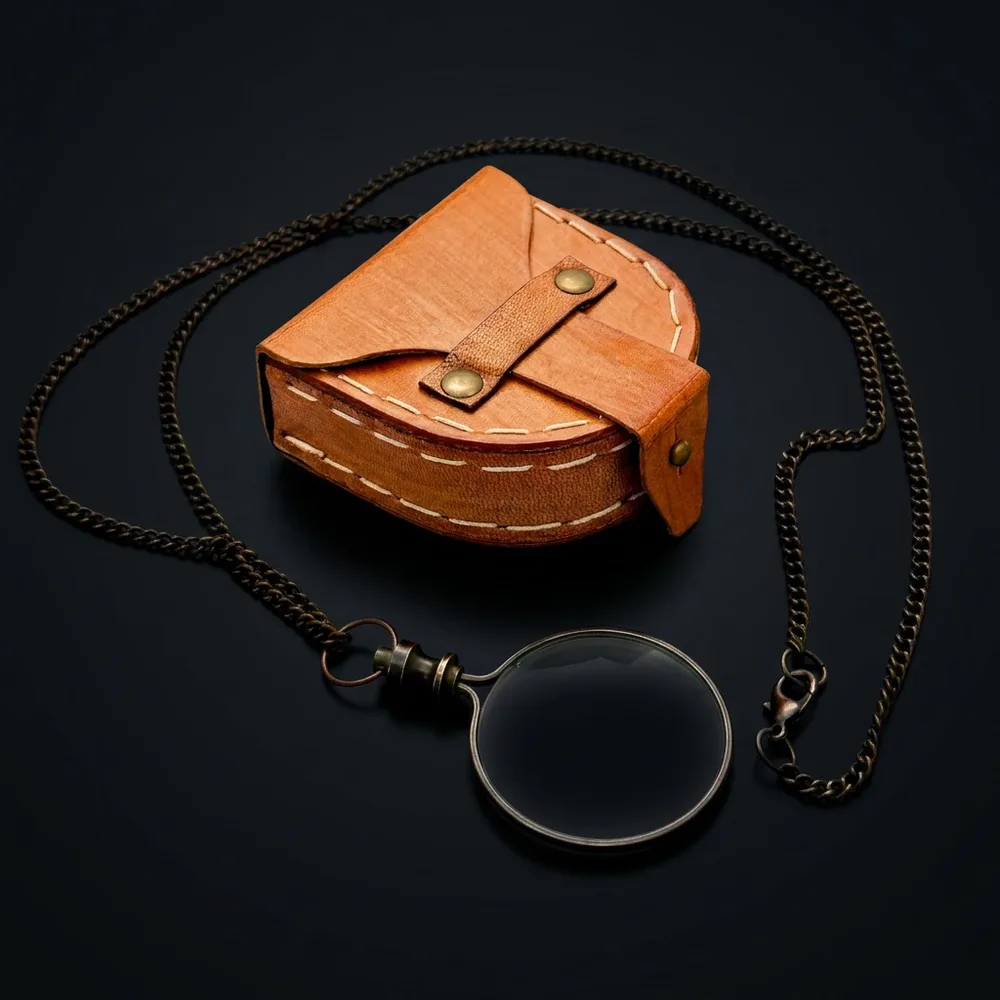
A magnifier can be a working aid, a desk accessory or a small gift with an instrument-like character. The right format depends on where and how it will be used. A pendant stays close at hand; a handled lens is easy to pick up and move across a page; a table model can remain in a reading or display area. For a shop or wholesale assortment, those use patterns are more useful starting points than choosing by finish alone.
Antiqula’s catalogue offers clear examples of these forms: the 2-inch antique brass pendant magnifier with a 15-inch chain and leather box (lensx-3-0-3), the 3-inch brass handheld with a wooden handle (lensx-3-0-6), and the 3.5-inch antique brass magnifier on an adjustable wooden stand (lensx-3-5-0). Their listed magnifications are model-specific. Treat them as catalogue specifications, not as a promise that every magnifier performs the same way or suits every reader.
Ask what the user wants to inspect: a short line of small print, a map, a stamp, a label or a larger flat page. Then consider whether the item will be stationary or carried around. A pocketable pendant has a different purpose from a stand that occupies a permanent place on a desk. If the magnifier is intended for a particular reading need, a sample should be tried with representative material before it is presented as suitable.
Magnification alone is an incomplete selection measure. The diameter and shape of the lens affect how much of a page can be seen at once; the distance between lens, eye and object also affects the comfortable view. A higher stated power does not automatically make a model easier for routine reading. Ask the supplier for the exact lens and product specification, and let the intended user assess the result. Avoid health or vision-correction claims: a decorative or general-purpose magnifier is not a substitute for professional advice or prescribed eyewear.
| Format | What it makes easier | Questions to settle |
|---|---|---|
| Pendant or pocket | Keeping a compact lens nearby | Chain or case included, lens diameter, and whether the object is comfortable to carry |
| Handheld | Moving the viewing area across text or an object | Handle length, lens size, balance, and storage protection |
| Table or stand | Leaving the lens positioned at a desk or counter | Base footprint, adjustment range, working clearance, and stability |
The pendant example in the catalogue has a 2-inch lens, a listed 3x magnification, a 15-inch brass chain and a leather box. That combination supports a compact gifting story, while the chain and box should be checked on the actual item to ensure they are included as listed. The handheld wooden-handle model has a 3-inch lens and listed 5x magnification; its handle provides a distinct grip and changes the way it is stored. The three-hinge table model also lists a 3.5-inch lens and 5x magnification, with a wooden base and adjustable movement. Its stand is a defining selection factor, not an incidental extra.
Set aside the full footprint of a stand model, including the area needed for adjustment and for placing the object to be viewed. On a shop counter, allow a customer to approach without reaching over fragile merchandise. On a home desk, check that the base does not displace a lamp, book or writing surface. If the model can be used both on a stand and by hand, test the changeover rather than assuming it is effortless.
For a handheld lens, confirm the complete length and how it feels in the hand. Compare lens diameter against the usual object: a small lens may be convenient for a coin or label but less comfortable when following a long line of text. A stand can free a hand, but the user still needs to bring the printed page or object into the useful viewing area. Position is part of the product experience.
Packaging changes the retail proposition. A case or box may protect a lens from dust and scratches while making a gift easier to present. Verify whether the case is part of that specific model. Do not infer a material, lining or level of protection from a product photograph. If displayed open, keep the lens clean and avoid placing it where overhead glare makes the viewing experience difficult to demonstrate.
A useful assortment gives buyers a meaningful choice rather than several near-identical brass circles. One compact pendant, one handheld model and one table magnifier make an easy comparison by use. Within a format, differentiate by a documented attribute such as lens diameter, handle, stand movement or included case. The catalogue’s specific examples let a retailer describe these distinctions without inventing a technical advantage.
For wholesale planning, consider the selling environment. A museum or maritime gift shop may favour handled brass instruments; a stationery or book retailer may want a desk model that can be demonstrated; a gift assortment may need compact pieces that fit a small display tray. These are merchandising hypotheses, not guaranteed demand. Begin with a limited comparison, record which questions customers ask, and use that evidence to refine the mix.
Use a comparison card that separates confirmed facts from selection prompts. State the model name, lens diameter and listed magnification exactly as given. Then ask whether the user wants portable, one-handed or stationary handling. Do not suggest universal suitability or promise a specific reading outcome. Where a product record gives only a broad attribute, request the missing dimension before making a claim.
Brass and wood give these products much of their visual character, but cleaning should follow the actual surface treatment. The Canadian Conservation Institute notes that polishing is abrasive and repeated polishing can remove surface detail; it also cautions that coatings and patinas may be part of an object’s intended appearance. For a contemporary decorative magnifier, use the care instructions for the exact model and begin with gentle dust removal. Avoid putting metal polish, solvent or liquid cleaner on the lens, joints, wood or leather.
Store a lens so that it cannot rub against keys, loose metal fittings or grit. A case can help, but it does not remove the need to keep the optical surface clean. Use a soft lens cloth appropriate to the surface, and follow any maker instructions. If the coating or lens material is unknown, do not experiment with household cleaners. Retail teams can demonstrate a sample while keeping the remaining stock packaged and protected.
Lead with format and scale: “a 3-inch brass-frame handheld magnifier with wooden handle” is more useful than “a timeless tool for every reader.” Add only verified details such as listed magnification, stand movement or supplied case. Explain who might prefer the format, then make clear what the buyer should check for a specific task. This tone is informative while protecting the retailer from overclaiming.
Before ordering, compare the physical sample against the listing and intended display. Record lens diameter, overall dimensions, included accessories and how the moving parts behave. For a wholesale assortment, request current order quantities, packing and delivery terms for the chosen references. Those commercial details can change and should be confirmed for the current order. A thoughtful selection rests on fit, handling and clear description—not on an unsupported promise about eyesight or performance.
Catalogue reference: DrapeX 2.0.2. Listed material: Brass.
Check the current product page and ask for model-specific dimensions, packaging and suitability before ordering.
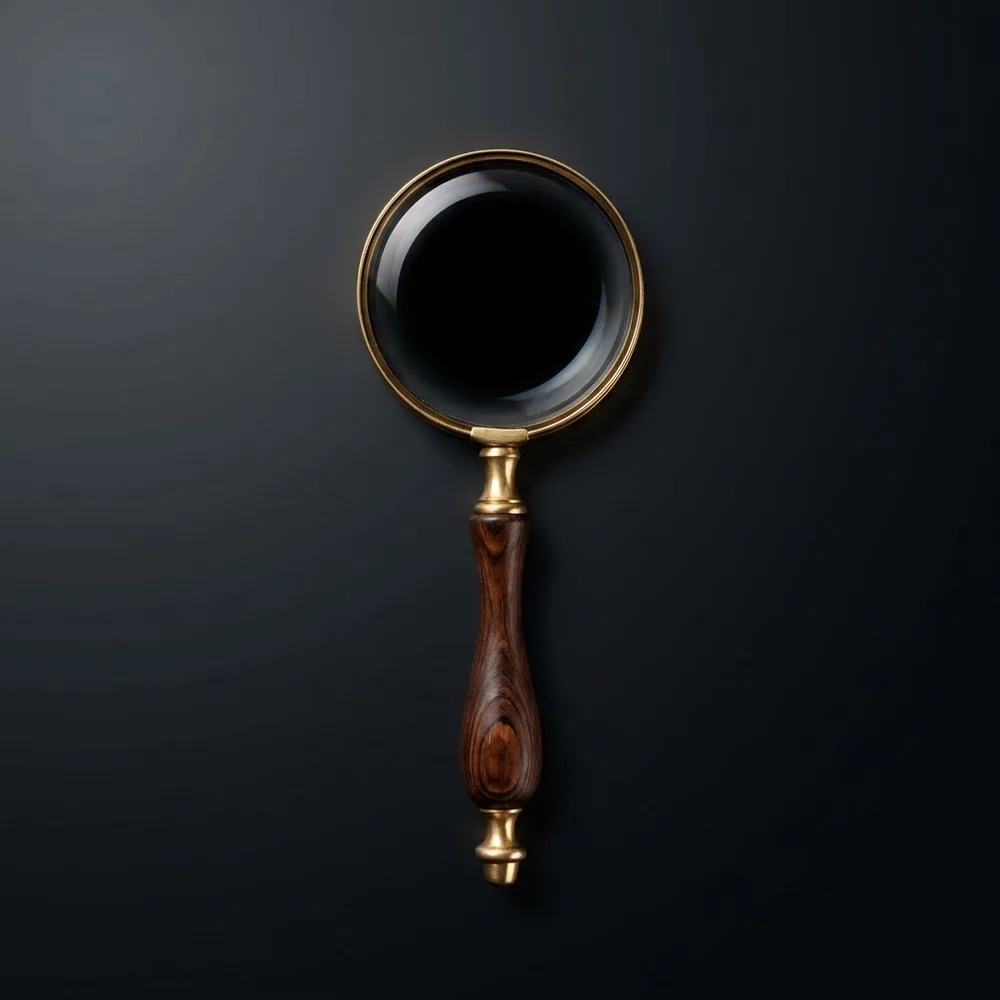
Catalogue reference: LensX 3.0.6. Listed material: Brass, Wood.
Check the current product page and ask for model-specific dimensions, packaging and suitability before ordering.
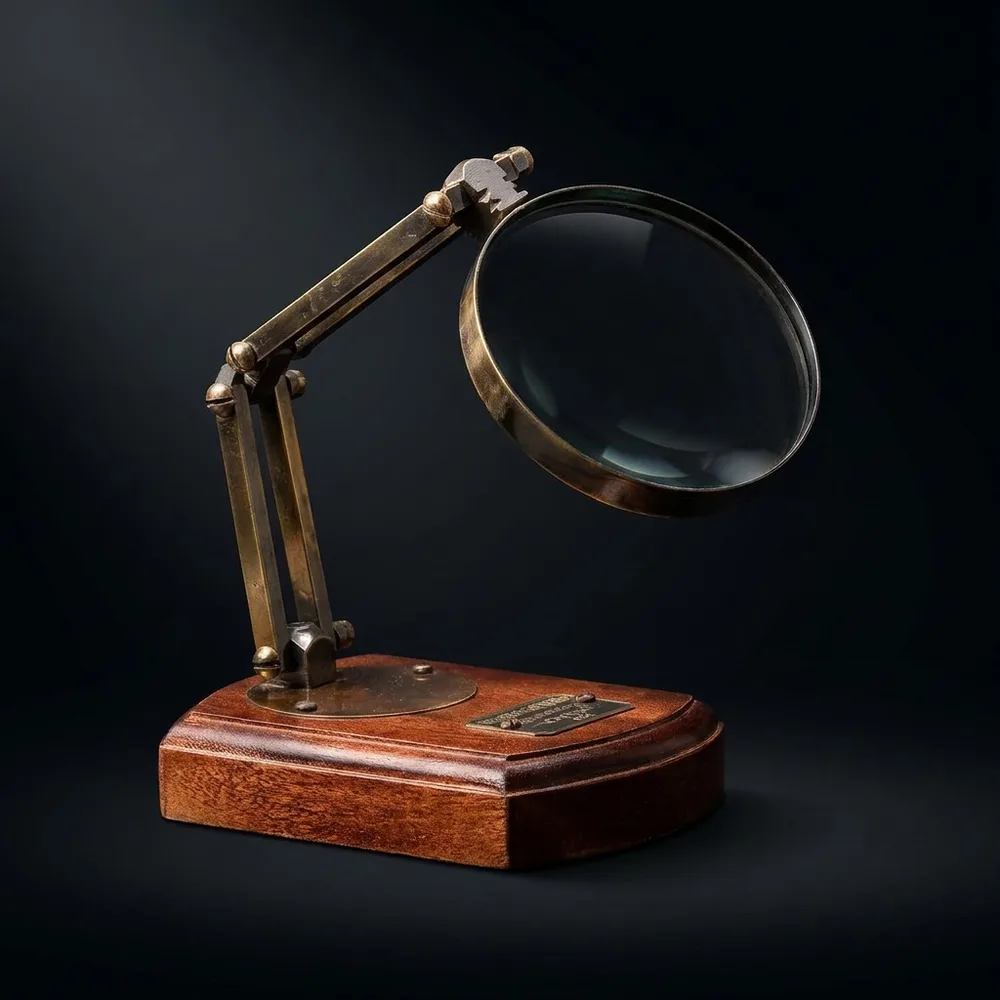
Catalogue reference: PerchX 3.5.0. Listed material: Brass, Wood.
Check the current product page and ask for model-specific dimensions, packaging and suitability before ordering.
Explore Antiqula’s magnifiers catalogue
Catalogue examples were checked against Antiqula’s product records on 2026-10-02. Research sources provide context; they do not certify the performance of individual catalogue products.